Computer scientists as rogue art historians
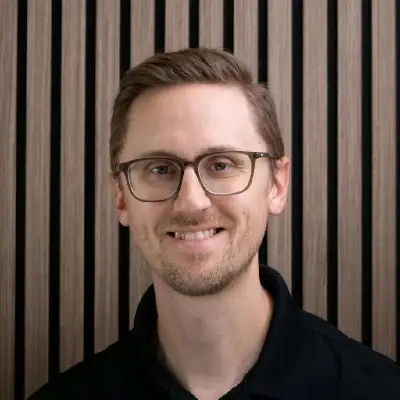
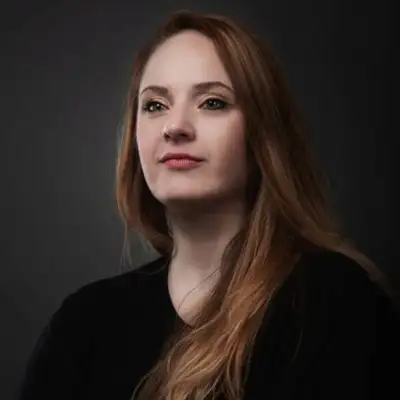
What can art historians and computer scientists learn from one another? Actually, a lot! Amanda Wasielewski joins us to talk about how she discovered that computer scientists working on computer vision were actually acting like rogue art historians and how art historians have found machine learning to be a valuable tool for research, fraud detection, and cataloguing. We also discuss the rise of generative AI and how we this technology might cause us to ask new questions like: “What makes a photograph a photograph?”
Sponsors:
- Fastly – Our bandwidth partner. Fastly powers fast, secure, and scalable digital experiences. Move beyond your content delivery network to their powerful edge cloud platform. Learn more at fastly.com
- Fly.io – The home of Changelog.com — Deploy your apps and databases close to your users. In minutes you can run your Ruby, Go, Node, Deno, Python, or Elixir app (and databases!) all over the world. No ops required. Learn more at fly.io/changelog and check out the speedrun in their docs.
- Typesense – Lightning fast, globally distributed Search-as-a-Service that runs in memory. You literally can’t get any faster!
Featuring:
- Amanda Wasielewski – Website, X
- Chris Benson – Website, GitHub, LinkedIn, X
- Daniel Whitenack – Website, GitHub, X
Show Notes:
Upcoming Events:
- Register for upcoming webinars here!
Creators and Guests
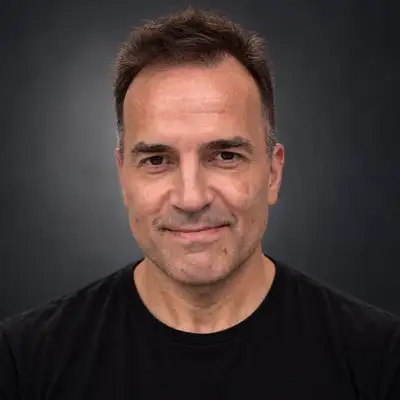
Host
Chris Benson
Cohost @ Practical AI Podcast • Principal AI / Autonomy Research Engineer specializing in fully autonomous UxS swarming with embodied intelligence.